The science behind a trusted keratin
The keratin market is expanding fast, but the quality gap between ingredients is widening even faster. Behind similar claims, keratins can vary dramatically in origin, amino‑acid integrity, processing conditions, safety, and clinical reliability. For brands developing nutricosmetics and cosmetic formulations, choosing the right keratin is essential to ensure efficacy, traceability, and long‑term consumer confidence.
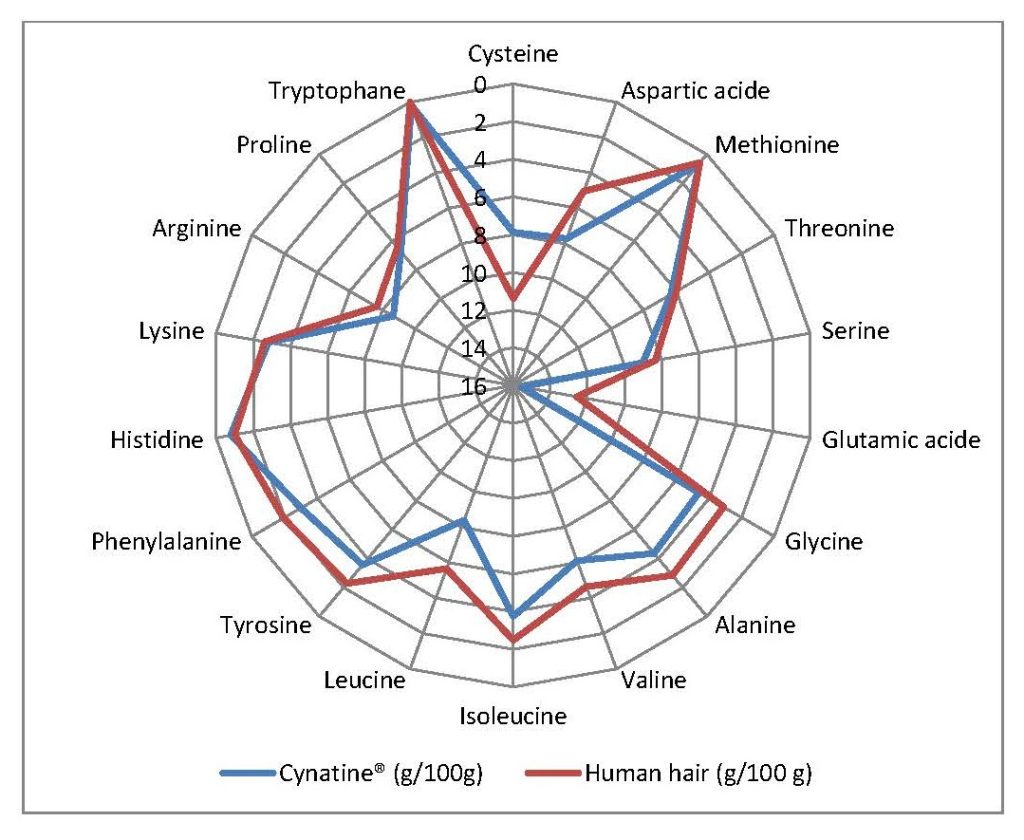
Keratin quality is defined by how it is processed. Excessive heat or pressure denatures proteins, breaks peptide bonds, generates undesirable by‑products (ammonia, thiols, heterocyclic compounds…) and destroys cysteine, the amino acid critical for keratin structure.
Cynatine® is produced via a globally patented process that uses:
Very low temperatures
No pressure
Controlled hydrolysis of disulfide bonds
This preserves:
Amino acid integrity
Peptide structure
Bioavailable peptidyl‑cysteine (not free cysteine, which is unstable and easily oxidized)
Peptidyl‑cysteine is the key to biological efficacy. When keratin is over‑processed at 100-210°C, cysteine is destroyed, peptides cyclize, and degradation compounds appear compromising both efficacy and safety.
True keratin science requires controlled human studies, not subjective satisfaction questionnaires.
Cynatine® has:
-4 double‑blind, placebo‑controlled clinical studies (food grade)
-1 clinical study (cosmetic grade)
-Conducted across independent laboratories
-Including 100+ subjects in total
Endpoints demonstrated:
-Reduced hair-loss, improved hair growth, hair strength, shine, breakage reduction
-Increased nail hardness and growth
-Reduced wrinkles and enhanced skin hydration, elasticity, and recovery markers
-Benefits at a validated clinical dose of 500 mg/day (HNS)
Additionally, Cynatine® has:
-5 in‑vitro studies (bioavailability, protein synthesis, glutathione, anti‑inflammatory, wound repair)
-1 ex‑vivo study
-Full OCDE‑aligned toxicology performed directly on Cynatine® (not extrapolated)
-Comprehensive stability and antioxidant data

Cynatine® benefits from:
OCDE toxicology studies
ISO 9001 and ISO 22000 certified manufacturing
Origine France Garantie (OFG)
COSMOS Approved
Halal & Kosher
Non‑Novel Food status from authorities
Production in La Ciotat, France
Regular inspections by French authorities (DDPP)
This ensures traceability, safety, and regulatory reliability for brands worldwide.
To choose a keratin capable of delivering real physiological benefits, formulators should evaluate:
Cysteine content (~7,6% in Cynatine® — high and stable)
Tripeptide and low‑MW peptide profile
Absence of free amino acids (a sign of over‑processing)
Absence of thermal degradation markers
High solubility and stability
Antioxidant capacity (Cynatine® ~400 µmol Trolox/g)
Cynatine® also offers:
Neutral odor
Excellent machinability
High solubility even at high concentration
Stability after opening